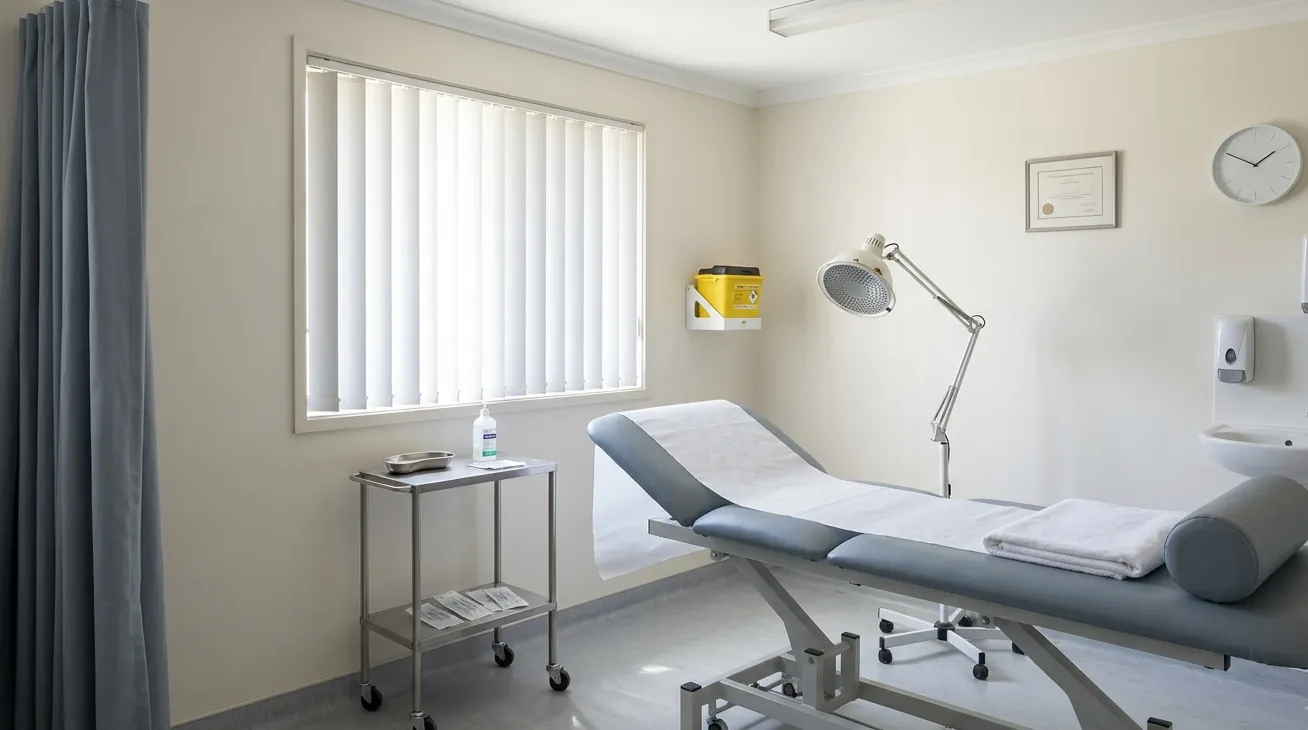
If you’ve never had acupuncture before, the idea of lying still while someone places fine needles into your skin can feel a little daunting. It needn’t be. For most people, a first session is calm, unhurried, and a good deal more relaxing than they expected.
Here’s what a typical first appointment looks like in Australia, so you can walk in knowing roughly what’s ahead.
Start With a Registered Practitioner
In Australia, acupuncture is a regulated profession. Practitioners who use the title “acupuncturist” must be registered with the Chinese Medicine Board of Australia, which sits under the Australian Health Practitioner Regulation Agency (AHPRA). Registration means your practitioner has met national standards for training, hygiene, and ongoing professional development.
Before you book, it’s worth checking that your practitioner is registered — you can search the AHPRA register directly, and most reputable clinics list their registration openly. It’s a simple step that tells you the person treating you is properly qualified.
The First Visit Is Mostly Conversation
Your first appointment is usually longer than follow-up sessions — often 60 to 90 minutes — because most of it is spent understanding you, not treating you.
Expect questions that range wider than you might assume: not just the reason you came in, but your sleep, digestion, energy through the day, stress levels, and general health history. In Chinese medicine, the aim is to build a picture of the whole person rather than a single symptom. Your practitioner may also look at your tongue and feel your pulse at the wrist — both traditional diagnostic methods that help guide the treatment.
None of this requires preparation on your part. Just answer honestly and mention any medications, health conditions, or whether you’re pregnant or trying to conceive.
The Needles Themselves
This is the part most people worry about, and it’s usually the part they’re most surprised by.
Acupuncture needles are extremely fine — far thinner than the needles used for injections or blood tests. They’re single-use and sterile, and a registered practitioner will open them in front of you. Most people feel a brief, faint sensation as a needle goes in, sometimes nothing at all. Once the needles are placed, you’ll typically rest with them in for around 20 to 30 minutes.
Many people find this stretch of stillness genuinely calming, and it’s not unusual to drift off. If anything ever feels sharp or uncomfortable, say so — your practitioner can adjust or remove a needle straight away.
Afterwards
You can usually go straight back to your day. Some people feel relaxed and a little sleepy; others feel energised. It’s sensible to drink water and avoid anything too strenuous immediately afterwards, but there are no hard rules.
Your practitioner may suggest a course of sessions rather than a single visit, and they should be able to explain their reasoning and rough timeframe. If a clinic promises guaranteed results or pressures you into a large package upfront, treat that as a reason to pause.
A Few Practical Tips
- Wear loose, comfortable clothing. Many points are on the arms and lower legs, so easy-to-roll-up sleeves help.
- Eat something beforehand. Arriving very hungry can leave you light-headed.
- Allow extra time. The first visit runs long, and you don’t want to feel rushed.
- Bring your questions. A good practitioner welcomes them.
A first acupuncture appointment is, more than anything, a conversation followed by a quiet rest. Choosing a registered practitioner you feel comfortable with matters far more than any single technique — so take your time finding the right fit.